
The Living Drug That Is Changing Leukaemia Treatment
Credit: Shutterstock
A gene therapy breakthrough offers lasting hope
On December 12, doctors shared an update that quietly reshaped the future of cancer treatment. Patients treated with a groundbreaking gene therapy known as base editing are still in deep remission three years later. For a disease once labeled untreatable, that timeline matters more than headlines.
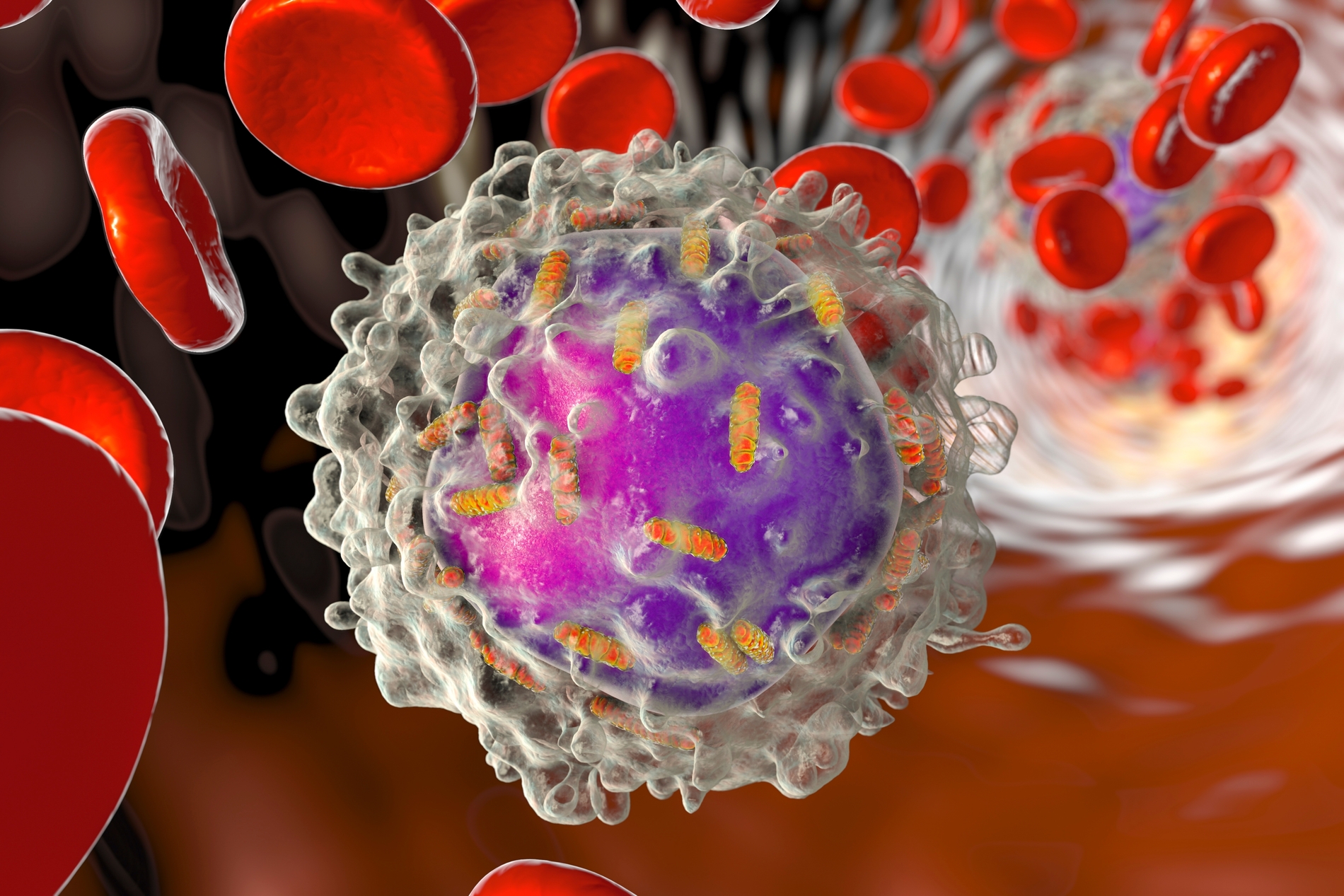
The therapy has been described as a “living drug,” and the name fits. Instead of relying on repeated medication or chemotherapy, doctors reprogram a patient’s own white blood cells. These edited cells are trained to recognize and destroy cancer from the inside. Once released back into the body, they continue working on their own.
One of the most closely watched patients is Alyssa, the first person to receive this treatment in 2022. At the time, she had T cell leukaemia that did not respond to existing options. Today, three years later, doctors report she remains in deep remission, with no signs of the disease returning.
That outcome is not being treated as an outlier.
Doctors involved in the trials say multiple patients are showing the same sustained response. The absence of relapse over such a long period is what has shifted the conversation. This is no longer viewed as temporary remission. It is being discussed as a potential cure.
What makes base editing different is its precision. Traditional gene editing techniques cut DNA, which carries risk. Base editing works by changing individual DNA letters without breaking the strand. That reduces side effects and increases control. In this case, it allows doctors to turn immune cells into targeted cancer hunters while avoiding the problems that made earlier treatments dangerous.
T cell leukaemia has long been one of the hardest blood cancers to treat. Because the cancer affects the same immune cells needed to fight it, therapies often failed or caused severe complications. This approach bypasses that issue by redesigning the cells instead of suppressing them.
The emotional weight of this update is hard to ignore. Families who once had no options now have time. Patients who were told to prepare for the worst are planning futures instead. Doctors are watching something rare in medicine unfold slowly and steadily.
There is still work ahead. Larger trials are ongoing. Regulatory steps remain. Access and cost questions will follow. But the foundation has been laid, and it is holding.
This is not just a new treatment. It is a shift in how disease is approached. Instead of fighting cancer with chemicals alone, medicine is learning how to teach the body to fight for itself.
For patients like Alyssa, and for many who will follow, the idea of a living drug is no longer theoretical. It is already at work.