Credit: Shutterstock
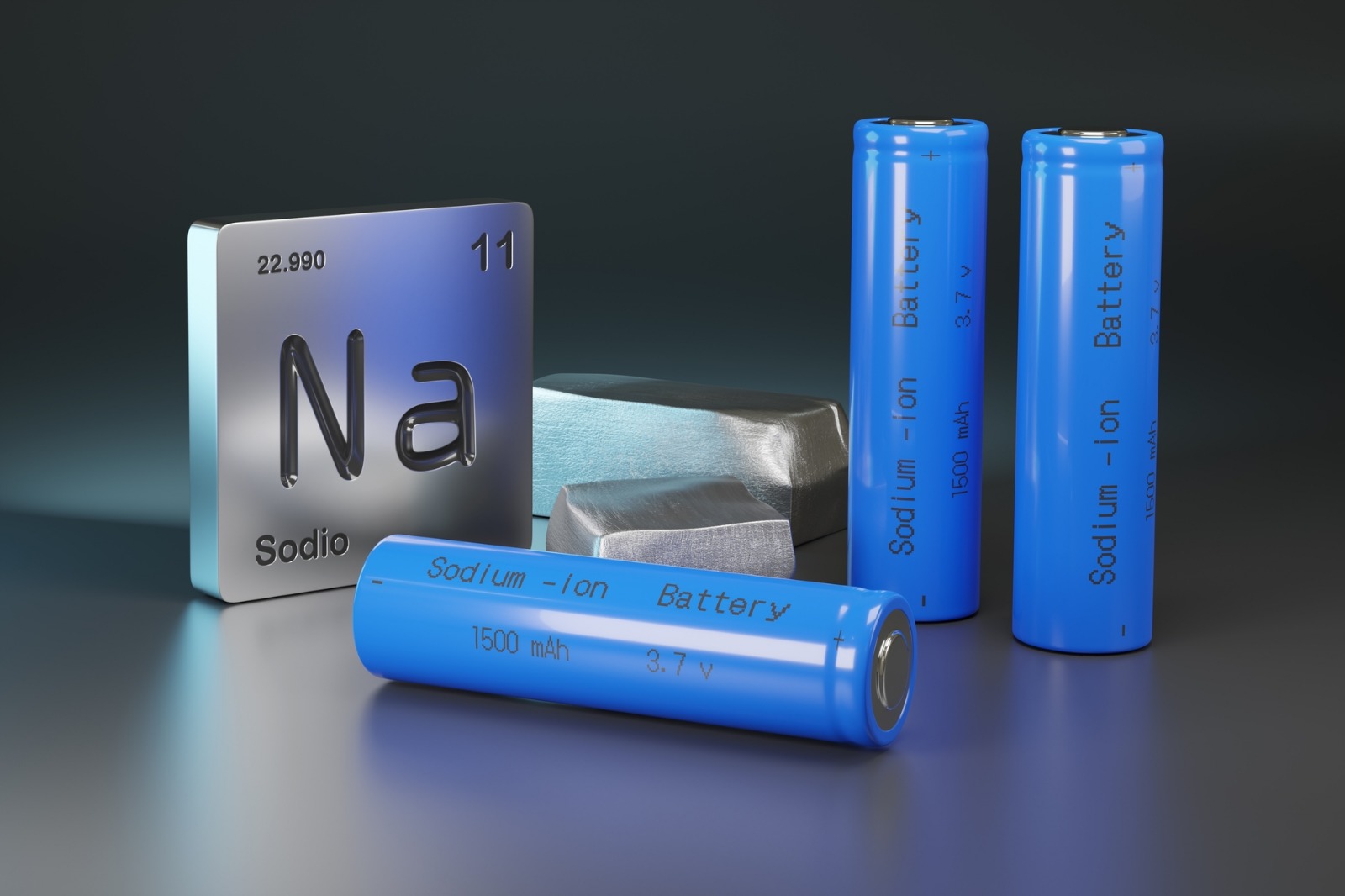
A new generation of batteries is moving closer to everyday use, promising affordable energy storage without rare materials.
A quiet but important shift is happening in the world of energy storage. Sodium ion batteries, long discussed in research circles, are now reaching commercial viability. With new designs showing efficiencies above 34 percent in hybrid systems, this technology is stepping out of the lab and into real world applications. For clean energy, electric vehicles, and global power systems, that shift carries real promise.
Lithium ion batteries have powered the modern energy transition for years. They run electric cars, store solar power, and support portable electronics. Yet lithium comes with challenges. It is expensive, concentrated in specific regions, and linked to environmental and supply chain concerns. Sodium ion batteries offer a different path forward by using materials that are far more abundant and widely available.
Sodium is one of the most common elements on Earth. It can be sourced without the same level of geopolitical risk or intensive mining required for lithium. That alone makes sodium ion batteries appealing for large scale energy storage. Lower material costs translate into more affordable batteries, which can help expand access to clean energy in regions where cost has been a barrier.
Recent advances have pushed sodium ion technology closer to practical use. Engineers have improved energy density, cycle life, and charging stability. Hybrid designs that combine sodium ion chemistry with advanced electrode structures are now achieving efficiency levels that make them competitive for grid storage and certain vehicle applications. These improvements have changed how the industry views sodium based systems.
One of the most exciting benefits is how well sodium ion batteries align with renewable energy. Solar and wind power depend on storage to smooth out supply and demand. Affordable batteries make it easier to store excess energy during peak production and release it when needed. Sodium ion systems are well suited for this role, especially in stationary storage where weight and size matter less than cost and durability.
Electric vehicles also stand to benefit. While sodium ion batteries may not replace lithium ion packs in high performance cars right away, they are already being considered for short range vehicles, buses, scooters, and fleet transport. Lower costs can help bring electric mobility to more people, especially in emerging markets where affordability is critical.
Environmental impact is another major advantage. Sodium ion batteries avoid many of the materials associated with higher environmental risk. Their production typically requires fewer rare metals and can reduce the footprint of mining and refining. Recycling processes are also expected to be simpler, making end of life management more sustainable.
As production ramps up in 2026, manufacturers are focusing on scale and reliability. Pilot factories are transitioning into full production lines. Companies are testing these batteries in real world conditions, including grid storage sites and electric transport systems. Early results suggest strong performance and consistent output, building confidence among investors and policymakers.
This progress comes at an important time. Global energy demand continues to rise, and countries are under pressure to cut emissions while maintaining reliable power. Energy storage sits at the center of that challenge. Sodium ion batteries expand the toolkit available to engineers and planners, offering flexibility without overreliance on one resource.
The technology also supports energy independence. Countries without lithium reserves can still develop domestic battery industries using sodium based systems. This opens the door to local manufacturing, job creation, and stronger energy security. It shifts the conversation from scarcity to accessibility.
Researchers continue to refine the chemistry, aiming for higher energy density and faster charging. Each improvement brings sodium ion batteries closer to broader adoption. What once seemed like an alternative option is now becoming a serious contender in the energy storage landscape.
For consumers, the impact may not be immediate, but it is meaningful. Cheaper storage can lower electricity costs, improve grid stability, and speed up renewable adoption. Over time, that leads to cleaner air, more resilient infrastructure, and wider access to modern energy services.