
Serena Williams Defies Time but Maya Joint Steals the Wimbledon Spotlight
Credit: Shutterstock
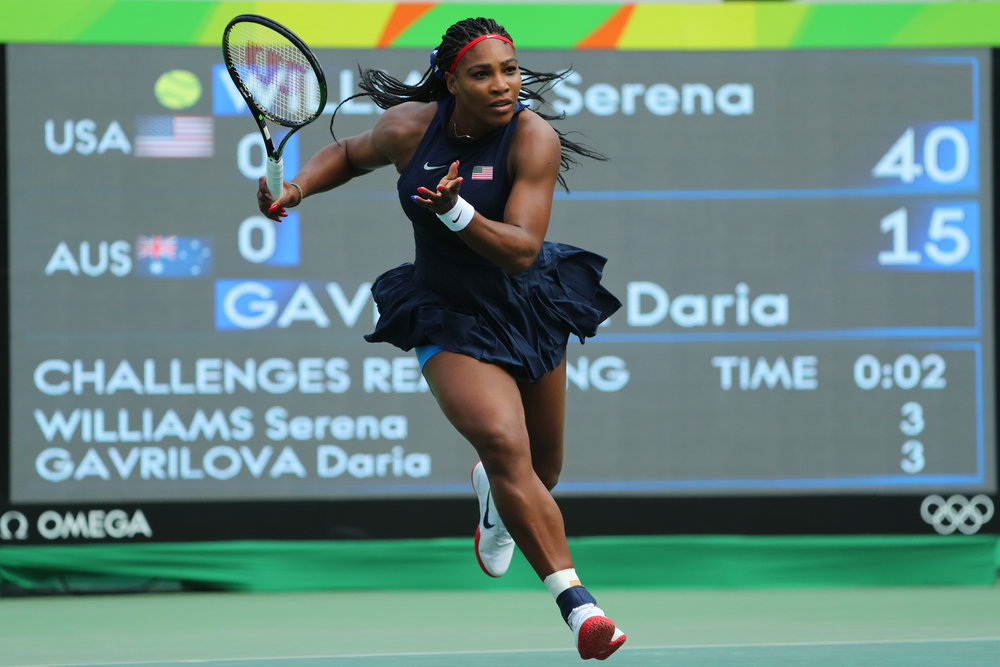
Wimbledon witnessed one of its most emotional and unforgettable opening-round clashes as tennis icon Serena Williams returned to Centre Court at the age of 44, only to be stopped by rising Australian star Maya Joint in a gripping three-set battle that reminded fans why sport remains beautifully unpredictable.
After four years away from Wimbledon singles competition, the seven-time champion stepped back onto the sport’s most famous stage with the determination that defined her legendary career. Facing 20-year-old Maya Joint—an opponent 24 years her junior—Williams pushed the contest to its limits before falling 6-3, 6-7, 6-3 in a match that blended nostalgia, resilience, and the promise of a new generation.
While the result marked a first-round exit for the 23-time Grand Slam champion, the performance was far from a farewell. Williams demonstrated flashes of the explosive power, fierce competitiveness, and mental toughness that made her one of the greatest athletes in sporting history. Saving a match point and forcing a deciding set, she reminded a packed Centre Court that champions never surrender easily.
For Joint, the victory represented a defining career breakthrough. Entering the tournament after an 11-match tour-level losing streak, the world No. 87 overcame nerves and the overwhelming challenge of facing one of tennis’ greatest legends under the iconic Wimbledon roof.
“I didn’t get much sleep last night,” Joint admitted after the match. “I was thinking about playing Serena until 2 a.m. She’s someone I’ve admired since I was a little kid. To share the court with her—and win—is something I’ll never forget.”
The match showcased a fascinating contrast between experience and youth. Williams dominated many of the shorter rallies with her trademark serve and aggressive baseline play, but longer exchanges gradually favored the younger Joint, whose movement and consistency ultimately proved decisive in the final set.
Despite serving with authority throughout much of the encounter, Williams was hampered by seven double faults at crucial moments, allowing Joint to seize momentum when it mattered most. Even so, the American’s trademark fighting spirit electrified Centre Court as she roared back from a break down in the second set and captured a dramatic tiebreak after saving match point.
The atmosphere reflected more than just a tennis match—it celebrated the return of a sporting icon whose influence extends far beyond the court. Supported by her husband, Alexis Ohanian, and their two daughters, Williams received standing ovations as fans embraced every moment of her remarkable comeback.
Her appearance also made history, as Williams became the oldest woman to compete in a Grand Slam singles draw since Martina Navratilova appeared at Wimbledon at age 47 in 2004.
Although her singles campaign ended earlier than many had hoped, Williams’ Wimbledon journey is not over. She is set to continue competing in doubles alongside her sister, Venus Williams, adding another chapter to one of tennis’ most celebrated family legacies.
For Joint, the victory could serve as the turning point of her young career, ending a difficult run of form in spectacular fashion and proving she can thrive on the sport’s biggest stage.
For Williams, defeat may not define the day. Instead, her courageous return reinforced the enduring spirit that has inspired generations of athletes. While questions remain about whether she will continue her comeback through the remainder of the season, her performance suggested there is still plenty of competitive fire left.
As Wimbledon moves forward, one message is clear: Serena Williams may no longer be able to bend time, but she can still captivate the tennis world. And on a remarkable afternoon at Centre Court, Maya Joint announced that the future of women’s tennis has officially arrived.