

Renewables Surge Named Science’s 2025 Breakthrough of the Year
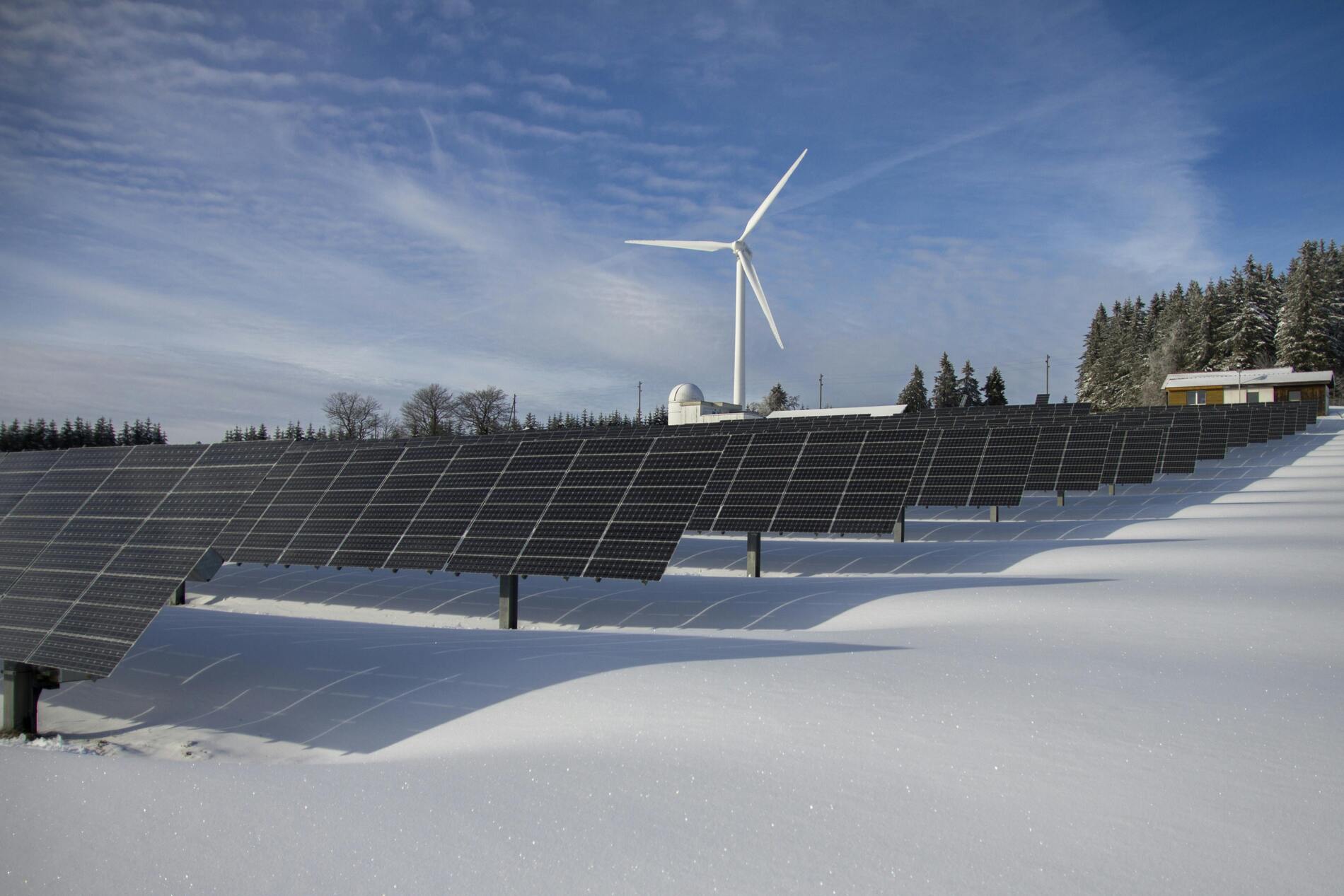
Credit: Pexels
Global rise in clean energy recognized as landmark scientific and technological achievement
Washington, DC. The international scientific journal Science has named the rapid global expansion of renewable energy as its 2025 Breakthrough of the Year, recognizing a pivotal moment in how the world produces and consumes electricity. The announcement highlights the scale, speed, and impact of renewable technologies such as solar and wind power, which reached unprecedented levels of adoption during the year.
According to Science, 2025 marked a turning point for global energy systems. Renewable energy sources grew fast enough to meet all new global electricity demand during the first half of the year. This milestone reflected years of research, innovation, and deployment coming together at scale, driven by improvements in efficiency, manufacturing, and grid integration.
One of the most notable developments acknowledged by the journal was that renewable electricity generation surpassed coal on a global level for the first time. This shift signaled a meaningful change in energy production patterns and demonstrated how scientific advances can translate into real world transformation across industries and regions.
The journal emphasized that the breakthrough was not the result of a single discovery. Instead, it was powered by steady progress in multiple areas, including cheaper solar panels, more efficient wind turbines, improved energy storage, and smarter power grids. These advances made renewables more accessible and reliable for countries with different economic and geographic conditions.
Researchers and energy experts noted that falling costs played a major role in the surge. Solar and wind power became some of the most affordable options for new electricity generation, encouraging governments and utilities to invest heavily in clean energy infrastructure. Large scale deployment across Asia, Europe, and the Americas contributed to the global momentum recognized by Science.
The designation as Breakthrough of the Year reflects the journal’s broader definition of scientific impact. It focuses on developments that reshape society through the application of science and technology. In this case, renewable energy’s growth influenced climate strategies, energy security planning, and long term economic policies around the world.
Scientists also highlighted the collaborative nature of the achievement. Progress came from academic research, private sector innovation, public investment, and international cooperation. Together, these efforts accelerated the transition toward cleaner electricity systems.
The recognition has been welcomed by researchers, policymakers, and environmental groups, who see it as validation of decades of scientific work. While challenges remain, including grid stability and energy storage expansion, the 2025 milestone demonstrated that renewables are firmly established as a central pillar of global energy supply.
As nations continue to invest in clean technologies, the breakthrough acknowledged by Science stands as a clear signal of how applied science can drive meaningful and lasting change for the planet and its people.