

Global Ocean Treaty Enters Force, Protecting Vast High Seas Biodiversity
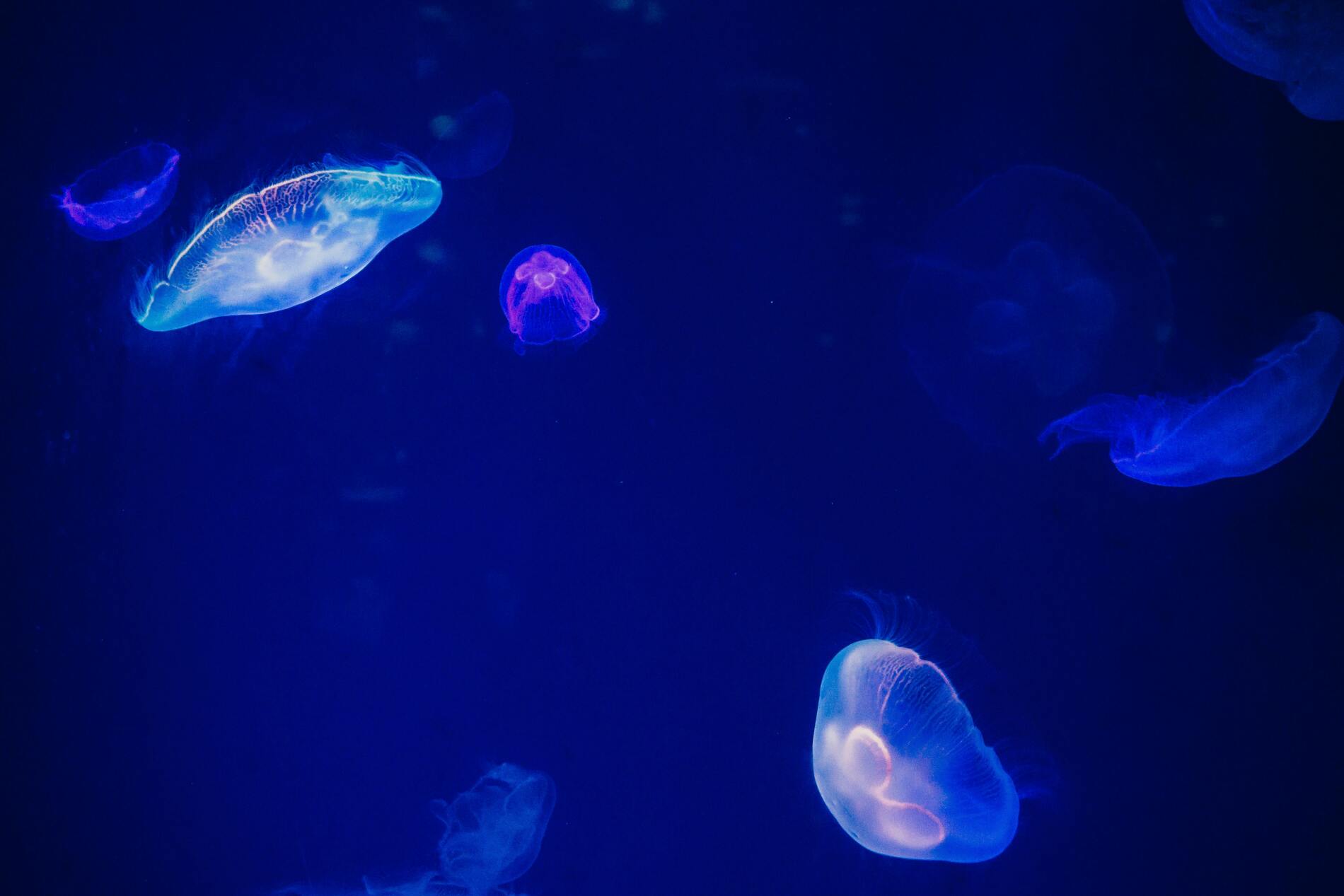
Credit: Pexels
Landmark United Nations agreement activates new protections for marine life beyond national waters
New York, USA. A major step forward for ocean protection has been reached as the Global Ocean Treaty officially entered into force following the required number of international ratifications. Formally known as the Agreement on the Conservation and Sustainable Use of Marine Biological Diversity of Areas Beyond National Jurisdiction, the treaty establishes a legally binding framework to safeguard marine life in the high seas, which lie outside the authority of any single country.
The treaty was adopted by governments in June 2023 after nearly two decades of negotiations. On September 19, 2025, the agreement reached the milestone of 60 ratifications, triggering its activation under international law. The treaty will take full legal effect on January 17, 2026, marking the start of a new era in global ocean governance.
The high seas cover a vast portion of the world’s oceans and support diverse ecosystems, including migratory species, deep sea habitats, and unique genetic resources. Until now, these areas lacked a comprehensive legal framework for conservation. The Global Ocean Treaty fills this gap by setting clear rules for protecting biodiversity while promoting sustainable use.
One of the treaty’s central features is the ability to create marine protected areas in international waters. These protected zones will help conserve fragile ecosystems and provide safe habitats for marine species affected by overfishing, pollution, and climate related pressures. The agreement also introduces environmental impact assessments for activities planned in the high seas, ensuring potential risks to marine life are carefully evaluated before projects move forward.
The treaty also addresses marine genetic resources, including organisms that may hold value for scientific research and medicine. It establishes principles for fair and equitable sharing of benefits arising from these resources, particularly with developing nations. This approach reflects growing recognition of the ocean as a shared global heritage.
Environmental organizations, scientists, and policymakers welcomed the treaty’s entry into force as a historic achievement. Many emphasized that effective implementation will require continued cooperation, funding, and monitoring to translate commitments into real world protection. Governments are expected to work together to develop institutions and enforcement mechanisms under the new framework.
The Global Ocean Treaty also supports international goals to protect at least 30 percent of the world’s oceans by 2030. By enabling coordinated conservation efforts beyond national borders, the agreement strengthens global capacity to respond to biodiversity loss and ecosystem degradation.
As the treaty moves toward full implementation in 2026, it stands as a powerful example of multilateral action addressing shared environmental challenges. The entry into force signals renewed momentum for ocean conservation and a shared commitment to protecting marine biodiversity for future generations.