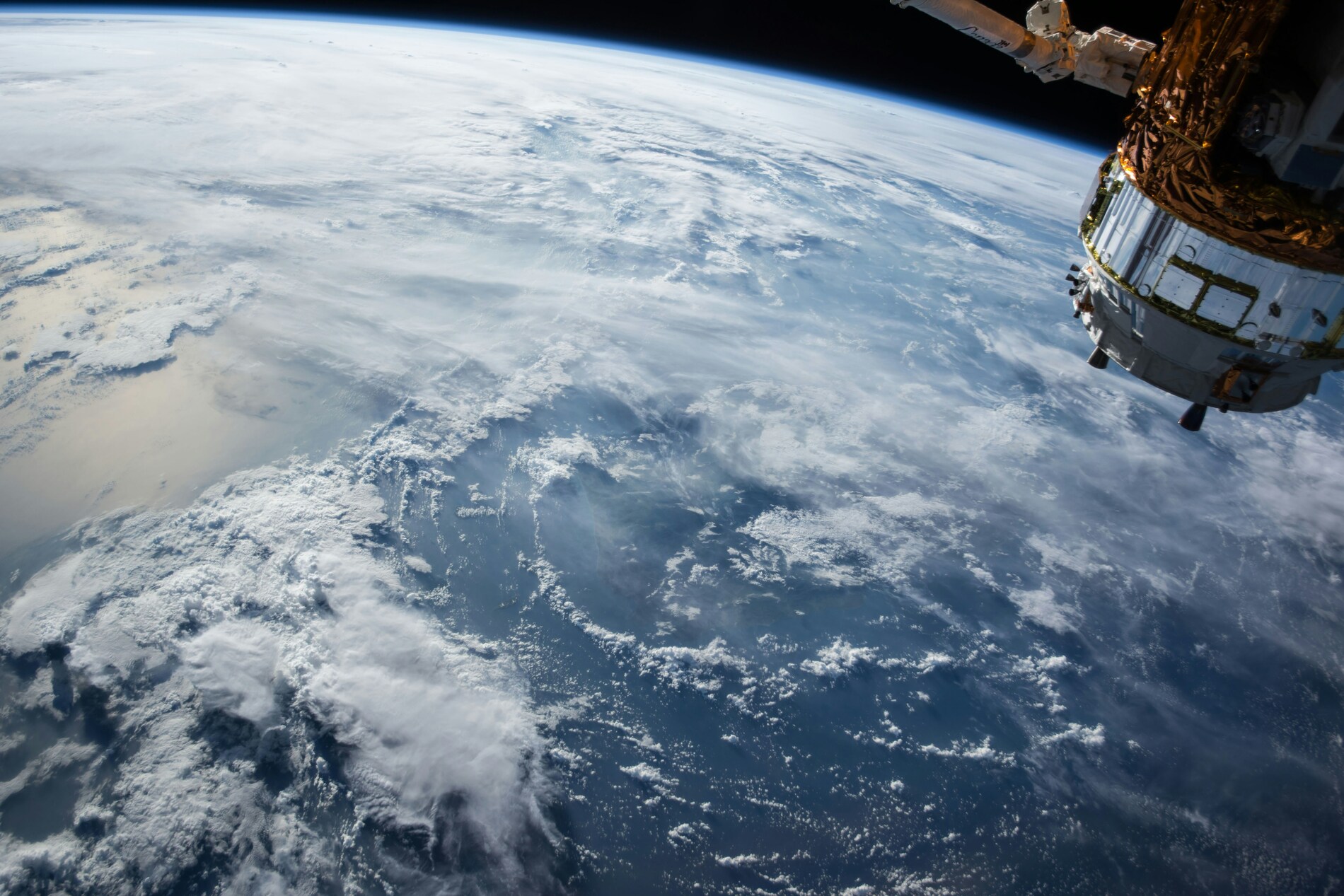
Credits: Unsplash
A quiet countdown is underway, and humanity is about to stretch its reach back toward the Moon
Something historic is taking shape above our heads. NASA’s Artemis II mission is moving steadily forward, and with it comes a moment many thought they might never see again. Humans are preparing to travel beyond low Earth orbit and head toward the Moon. This mission will not land astronauts on the lunar surface, but it carries deep meaning. It signals a return to deep space travel and opens the door to what comes next.
What Artemis II is set to do
Artemis II will send a crew of astronauts on a flyby around the Moon. They will loop around it, test spacecraft systems, and return safely to Earth. While that may sound simple, it is anything but. This journey will take humans farther from Earth than any crewed mission in decades.
The mission is designed to test critical systems in real space conditions. Life support, navigation, communication, and propulsion will all be pushed beyond what low Earth orbit demands. Every piece of data gathered will help refine future missions that aim to stay longer and go farther.
Why this mission matters
For years, human spaceflight focused on Earth orbit. The International Space Station became a hub for science, cooperation, and long term living in space. Artemis II shifts the focus outward. It marks a return to exploration beyond Earth’s immediate neighborhood.
This step matters because deep space brings new challenges. Radiation exposure increases. Communication delays grow. Rescue options become limited. Artemis II allows astronauts and engineers to face these realities directly and prepare for longer missions that follow.
Building toward a lasting presence
Artemis II is part of a larger plan. The Artemis program aims to establish a sustained human presence around and on the Moon. This includes future lunar landings, surface habitats, and a space station orbiting the Moon known as Gateway.
The Moon serves as a testing ground. Technologies developed there can be adapted for missions to Mars and beyond. Living and working on the Moon helps scientists learn how humans cope with reduced gravity, long distance supply chains, and isolation from Earth.
This approach turns exploration into preparation. Each mission builds knowledge instead of standing alone.
A new era of exploration energy
There is growing talk of a new Golden Age of space exploration. Governments, private companies, and international partners are investing in human spaceflight again. Artemis II sits at the center of that momentum.
New spacecraft designs, advanced materials, and improved computing power are accelerating timelines. Tasks that once took decades now move faster due to collaboration and innovation. The goal is not just to visit the Moon, but to make deep space travel sustainable and repeatable.
Mars remains a long term ambition, and the lessons learned from Artemis missions are critical to making that future possible.
Why 2026 feels different
Excitement continues to build as 2026 approaches. By then, Artemis II will have completed its mission, and follow up plans will be clearer. Each successful milestone boosts confidence and sharpens focus across the program.
Public interest is growing too. Seeing astronauts venture beyond low Earth orbit captures imagination in a way few events can. It reminds people that exploration is still part of humanity’s story.
Looking ahead
Artemis II is not about flags or headlines. It is about capability, patience, and vision. It represents careful progress toward living and working beyond Earth again.
As astronauts prepare to circle the Moon, they carry decades of lessons and a future filled with possibility. The journey ahead is measured and intentional, but its impact may shape space exploration for generations to come.