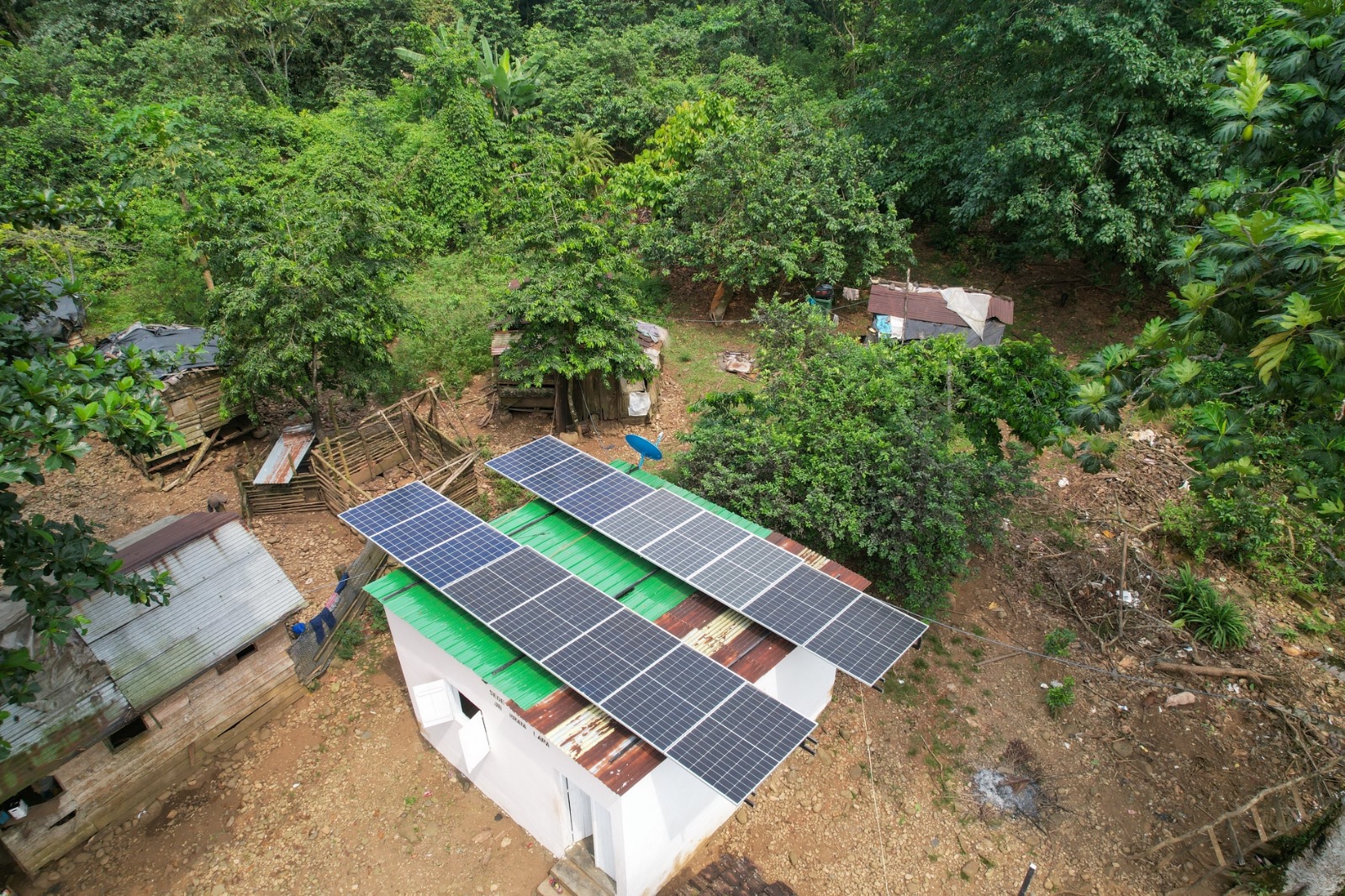
Africa’s clean energy story reached an exciting milestone in 2025. Solar power installations across the continent grew by an impressive 54 percent, marking one of the strongest years on record for renewable energy adoption. This surge did more than add megawatts to the grid. It strengthened energy access, supported local economies, and signaled a confident step toward a more sustainable future.
The growth was driven by a mix of large scale solar farms and smaller community based projects. Countries invested in utility level plants that feed national grids, while villages and towns embraced rooftop panels and mini grids. This blend of solutions helped meet different needs across urban centers and rural areas. It also showed how flexible solar energy can be when matched with local conditions.
One of the most meaningful impacts of the solar boom was improved energy access. Millions of people across Africa still live without reliable electricity. New solar projects brought power to homes, schools, clinics, and small businesses. Lights stayed on after sunset. Refrigeration became possible for medicine and food. Students gained more time to study, and healthcare workers gained better tools to do their jobs.
Solar energy also reduced dependence on fossil fuels. Many countries have long relied on imported fuel to generate electricity, which can be costly and unstable. By expanding solar capacity, governments reduced exposure to fuel price swings and supply disruptions. This shift supported energy independence and created more predictable power systems.
Innovation played a major role in the rapid growth. Developers used advanced battery storage to manage supply during cloudy periods and at night. Mobile payment systems made it easier for households to adopt solar kits without large upfront costs. Local entrepreneurs stepped in to install, maintain, and manage systems, creating jobs and building skills within communities.
The economic benefits reached beyond energy. Solar projects created employment across the value chain, from manufacturing components to installation and maintenance. Training programs helped workers develop technical expertise that can support long term growth in the renewable sector. Small businesses benefited from reliable power, allowing them to expand services and operate more consistently.
Environmental gains added another layer of value. Solar energy produces electricity without releasing harmful emissions. As installations increased, air quality improved in areas that previously relied on diesel generators. Reduced emissions also supported national climate commitments and contributed to global efforts to limit temperature rise.
Africa’s leadership in renewable energy became clearer through this progress. The continent is often discussed in terms of potential, but the 2025 surge showed real action and results. Policymakers, investors, and communities worked together to turn plans into projects. International partnerships supported financing and technology transfer, while local leadership ensured solutions matched real needs.
The momentum heading into 2026 looks strong. Many countries have announced new targets, expanded incentives, and streamlined approval processes for renewable projects. Grid upgrades and regional power pools are improving the ability to share electricity across borders. These steps help ensure that new solar capacity can be fully used and scaled.
Challenges still exist. Infrastructure gaps, financing hurdles, and regulatory complexity remain in some regions. Yet the progress made in 2025 proved that these challenges are not barriers without answers. Each successful project builds confidence and attracts further investment.
For everyday people, the solar surge means more than statistics. It means a phone that stays charged, a business that can open reliably, and a school that can run computers and lights. These changes improve quality of life in practical ways that people feel every day.
Africa’s solar power growth in 2025 marked a turning point. It showed how clean energy can drive development while protecting the environment. As installations continue to rise, the continent stands out as a place where renewable energy is not just an idea but a growing reality. The lights coming on across Africa tell a story of progress, resilience, and a future powered by the sun.